
 admin
admin
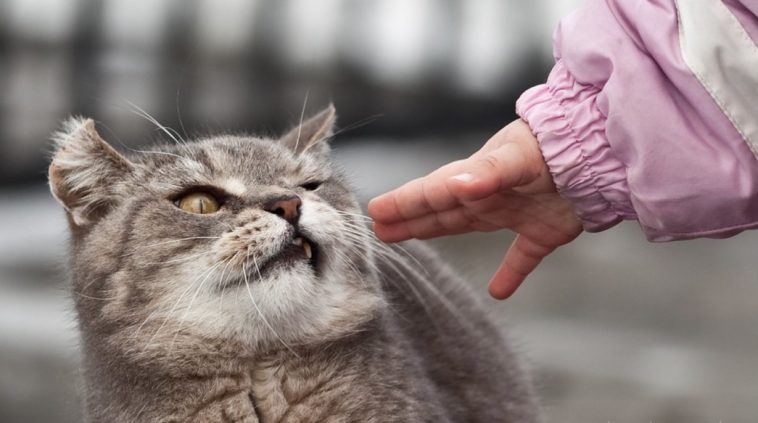
Cats are very sneaky and tricky customers. Quite complicated in their behavior, cats always provide a feel as if they’re self-sufficient. There are specific important things that you just should never do to your cat in your lifetime.
Cats communicate in a very manner totally different from dogs and other pets. These animals are reclusive and use definite visual communication.
Your cat needs your love and cares over the rest. once you try something new and it gets wrong, your cat can turn frightful of humans.
Keeping that in mind, observe those 17 important belongings you or your members of the family should avoid doing to any cat in your lifetime.
17 Stop Punishing Your Cat Anymore
Your kitty disturbs your hi-fi, and you pounce on him as if he’s a traitor. Punishment, in short, is connected by felines to the person. during this scenario, the link between yourself and your cat can turn sour.
Avoid yelling because it only shows how critical you’re of their behavior. When cats undergo stressful situations, they pee randomly in the wrong places. As an indifferent cat owner, you must take the blame for his bad behavior and not your cat.
Meet a cat behavioral expert and learn the proper method to handle your cat.
16 Stimulate Your Cat within the Right Manner
Cats, in general, require much mental stimulation. Indoor cats need plenty particularly. Sleeping is one in all the favorite activity all cat loves doing.
On a day to day, try spending quality time along with your cat, a minimum of 10 minutes, thrice daily.
Pamper them with cat toys, especially with catnips. during this way, you’ll get your cat to undergo a unique experience.
15 Don’t Allow all of your Cats Share Same Litter Sets
Cats are quite finicky about their toileting. Some cats also evoke a separate tray for his or her fluid and solid excretions. Sharing a litter tray with a replacement cat indicates going dotty territorial limits.
Maintain the trays as clean as possible. No cat will prefer to use a nasty toilet and to register their protest, they could poop outside the tray.
If you discover it difficult to scrub the litter trays a day after day, then buy the newest self-cleaning litter machine.
14 Don’t Overfeed Them
Obesity, in cats, reduces their mobility as they become older. Gaining abnormal weight shortens your Kitties lifespan quite strongly.
Ask your vet, and find out about the strong connection between obesity and diabetes in cats. In several cases, obesity ends up in other severe complications like heart, liver, and joint problems.
Never overfeed your cat. If possible give proper food and maintain a daily feed chart. Treat dispensers and puzzle feeders are the perfect choice because they assist stimulate your cat in the right direction.
To treat food dispensers provide emotional stimulation additionally
13 Don’t Make Your Cat Feel Scary
Most cases of cat aggression include situations where the cat feels trapped, stressed, or nervous.
Cats, under normal situations, prefer to move off from depressing situations, but when pushed into a corner with no escape paths, they’ll retaliate. There’s a myth that cats are frightened of cucumbers; never try them with cats and that they may feel the phobia of everything else.
Kindly remember this straightforward fact about cat behavior. Leave them alone and that they will never disturb you.
12 Don’t Skip Heartworm Treatment
Mosquitos and fleas that carry heartworms enter your home with no announcement and persuade be a headache.
Fleas can enter your home once you meet your friend with a cat or dog, and a tiny low gap is enough for the mosquitos to sprint in.
With a lot of flea treatment and heartworm prevention available across the table, your cats are safer than precedent days.
Important tip – Heartworms in cats don’t have an ideal cure and might be fatal.
11 Don’t Leave Your Feline Friends Outdoors Unsupervised
Your feline friend’s response to the skin world could be stuffed with fright, anxiety, confusion, and curiosity. with no supervision, your cat may hide under a garbage can when large animals approach or get into traffic.
Keep Kitty securely leashed, harnessed, and encouraged by your presence, for your peace of mind and her ’s.
10 Don’t Keep Windows Open
Poorly closed windows can cause serious trouble to your cat. Curiosity over a cool sparrow’s fly-by can easily excite your furry friend and he may plummet.
If you’re a working professional and something untoward happens after you are away, your cat would be in an exceedingly critical situation.
Avoid this scenario by keeping the windows securely locked.
9 Don’t Place Your Feline Friend On Your Lap (Riding Or Driving Time)
Most felines hate traveling and curse being stuck inside a mobile carrier. A free-range feline inside a moving vehicle can be converted into a furry, terrified animal.
An unleashed cat is disturbing to the motive force. They are, in fact, vulnerable to injury. With a loose cat moving helter-skelter inside the car, your next stop may be a hospital.
Place your cat’s carrier in an exceedingly secure place before embarking on a road trip.
8 Don’t Treat Your Cat sort of a Frisbee
An exciting Kitty dipping her nose into the container may appear disgusting, but your cat deserves more respect. Kicking or manhandling your cat in anger can injure her, both mentally still as physically.
Treat them sort of a newborn child with extra affection and love, and your feline friend would never behave badly again.
7 Don’t Fail To Brush Your Kitty’s Teeth
Cats don’t prefer to get their teeth clean and white, and this could prompt you to feed her with cat dental treats.
Over time, plaque buildup causes tartar, which results in tooth loss and eventually excruciating pain to your cat.
Regular brushing of your cat’s teeth will make sure that your cat’s health and gums are good. you’ll also prevent unnecessary expensive dental cleanings by a vet.
6 Don’t Forget Those Hairballs
Cats love self-grooming and their tongues lick loose hair, which is later swallowed. When your cat piles up some hairball, you just clean the place and keep it up together with your work.
Regular grooming can easily minimize the number of hair your Kitty swallows, which suggests there are only some lefts to be spewed up.
The regular pile-up of hairballs can indicate some reasonably a gastrointestinal disease. Contact your vet and obtain his opinion if you are feeling something is wrong.
5 Don’t Skip Vet Visits
Your Jelly looks healthy. he’s active as was common, looks happy, and eats well. Cats are known to suffer from health issues, starting from cancer to poor eyesight.
Cats are master actors when it involves hiding their real health condition. a daily vet visit can facilitate your identify and cure minor health issues before they turn horrible.
With your feline’s health condition recorded, there hardly remains any surprise.
4 Don’t Forget To Insure
When your cat is insured, you’ll heave a sigh of relief because you’re unengaged to choose the most effective therapy on your vet’s recommendation.
There are lots of diseases which will drain away all of your savings like diabetes etc. Choose the most effective possible pet insurance for your cat and avoid this tricky situation.
3 Don’t Avoid Microchipping
With a microchip, it’s only a matter of jiffy to scan and identify the rightful owner by the shelter or any rescue agency.
Lack of any solid cat ID or tags will only delay the method of reunion with the rightful cat owner. Microchip your cat and feel safe.
2 Don’t Declaw Your Feline Friend
Declawing means removing the upper portion of each toe. Never ever declaw your cat. If your cat irritates you together with his scratching, then contact a cat behavioral expert for further suggestions.
There are plenty of scratch-resistant poles and toys available within the market and your vet could guide you better during this area.
1 Don’t Leave Your Kitty Neutered
All cats including indoor cats perform well when desexed. The hormonal buildup may cause FIV or Feline Immunodeficiency Virus in unspayed cats.
The females are shielded from going into heat once in three days and contracting a condition called pyometra.